
Services & capabilities
Bring us the old part
No number on it, or a number that doesn’t match anything you can find? Put it on the counter. We measure it, identify it, and cross-reference it against what we stock — bearings, belts, chain, sprockets, seals and fittings.
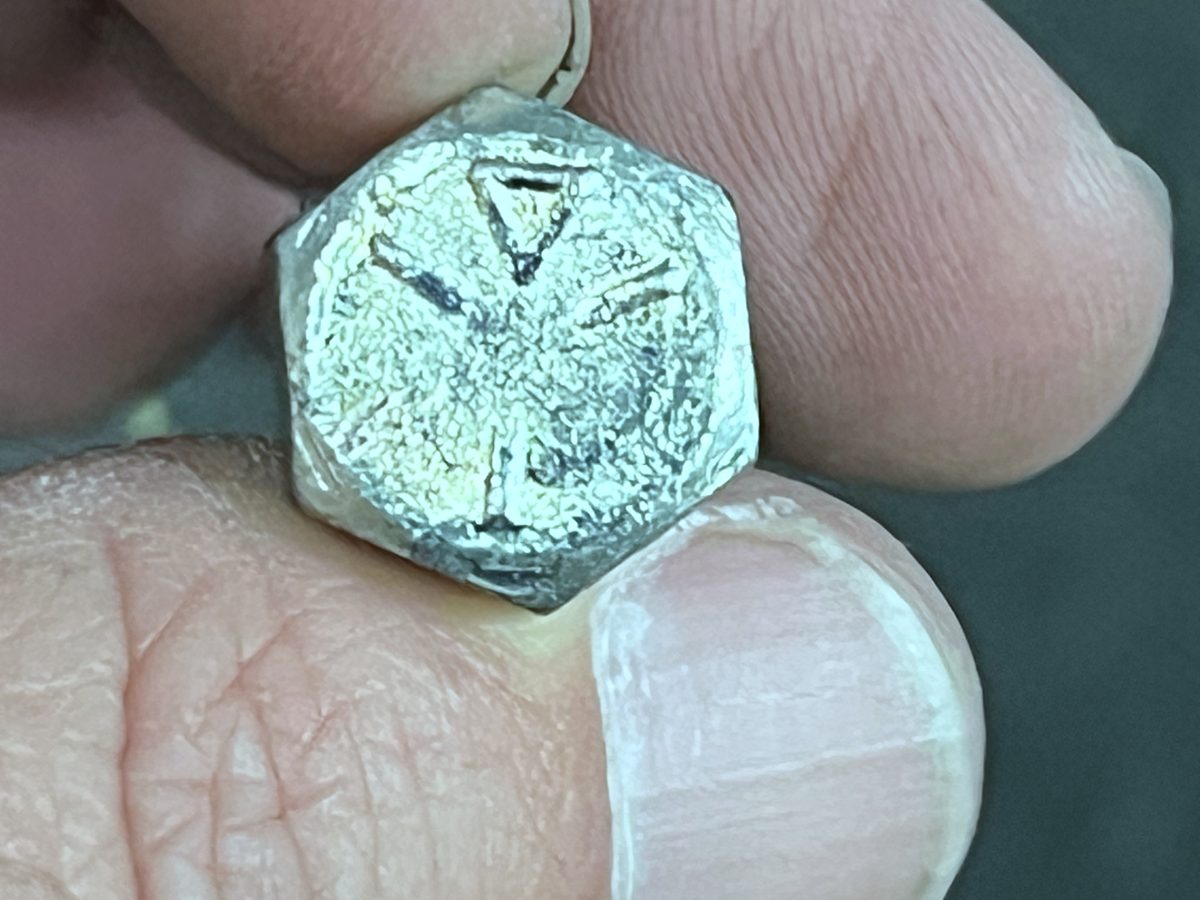
Bearings & seals
How do I identify a bearing without a readable number?
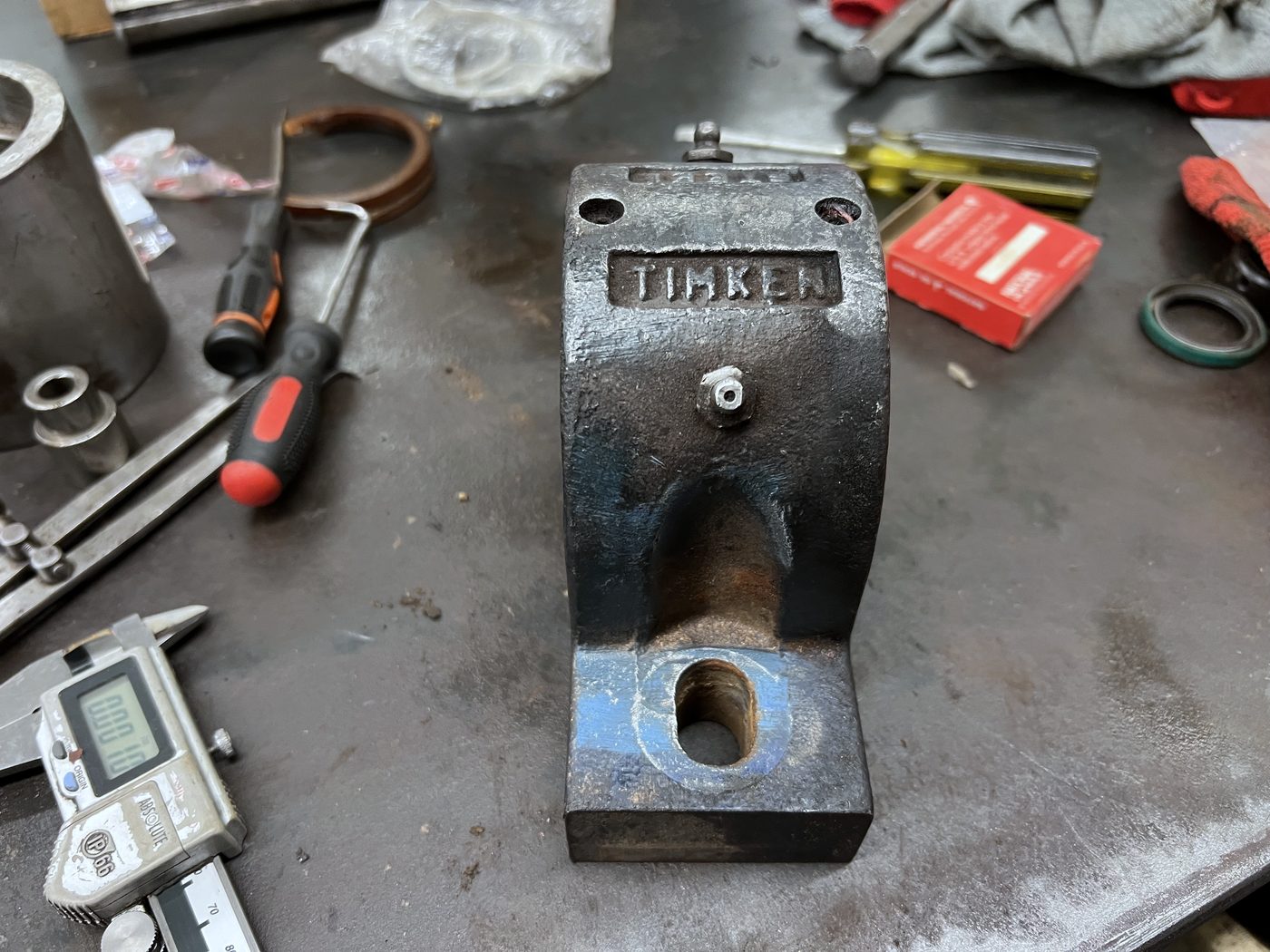
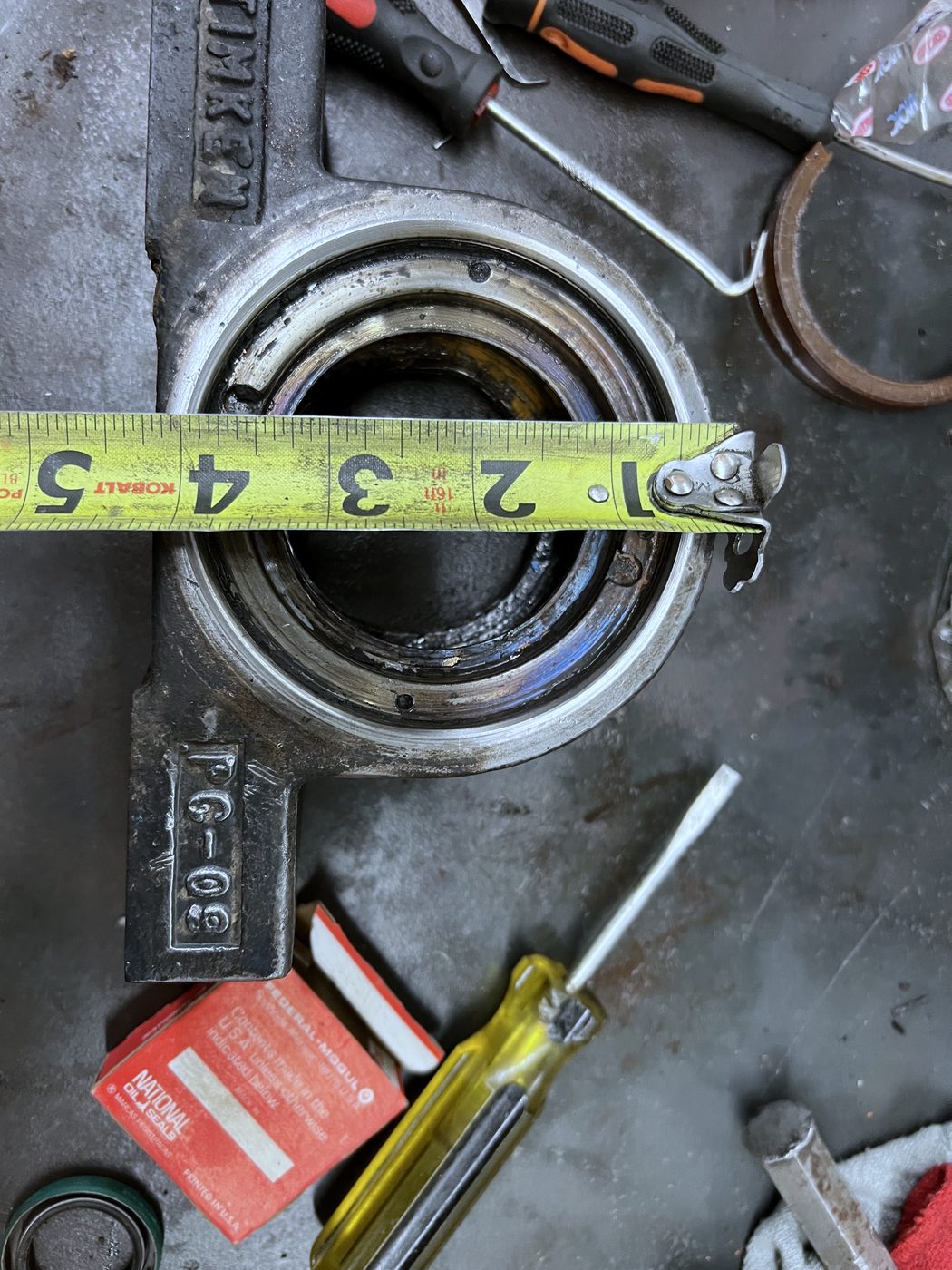
A stamped number wears off before the bearing itself gives out. When that happens, three measurements identify it: the bore (the shaft hole through the center), the outside diameter, and the width. A mounted bearing — a pillow block or flange unit — adds the housing style and bolt spacing on top of that.
An oil or shaft seal works the same way: bore, outside diameter and thickness. In both cases, bring the old part in, even if it’s worn, cracked, or in pieces — we can measure a bearing race or a broken seal just as well as a whole one.
Belts
How do I measure a V-belt?
Two things: the belt’s outside length, and its cross-section profile — how wide and how deep it is. Measuring around the outside of the belt with a tape gets the length; the old belt itself is the easiest way to get the profile right. Bring the belt in whenever you can, even if it’s cracked or has thrown teeth.
Chain & sprockets
How do I identify roller-chain size?
Roller chain is sized by pitch — the distance from the center of one pin to the center of the next. It’s easiest to measure across several links and divide, rather than trying to measure a single link by eye. For a sprocket, we need the same pitch plus the tooth count and the bore size. A short section of the old chain, or the sprocket itself, is the fastest way to match either one.
Fittings
How do I identify a hydraulic fitting?
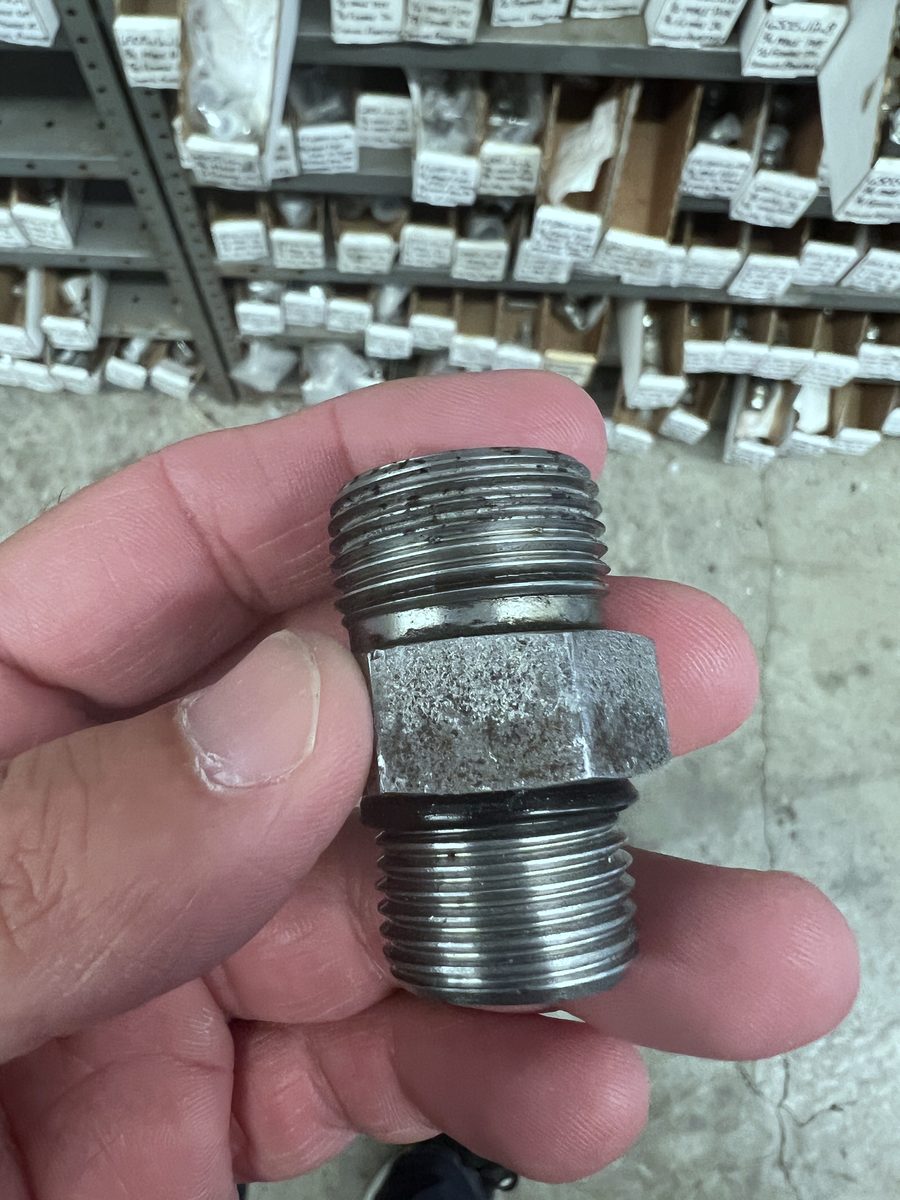
Thread size, thread type, and whether it’s a straight fitting or an elbow. Thread pitch and seat style are the two things that are hardest to describe over the phone and easiest to match in hand — so this is the one where bringing the part in beats a photo. If you’re trying to match a hose end, see hydraulic hose assembly.
Can’t get to the counter
Photograph the part next to a tape measure or a coin and send it over.
We often can narrow it down before you make the trip.